You were taught to get out of debt first, then build your wealth. That formula is completely wrong. Not partially wrong. Not wrong for some people. Wrong for everyone who wants to move faster than molasses.
I’ve been a millionaire since 1999, and I’ve never lost that status. I’ve had mentors since I was 17. And the one thing every broke person and every wealthy person has in common is this: neither of them has a money mindset problem. They have a knowledge problem. Once you know how to use good debt to build wealth, everything else changes.
Debt Isn’t the Problem. Your Interest Rate Is.
Write this down: debt is the cost of money.
You can get credit cards that stay at 0 percent for your entire life if you pay them off every month. That means you’re using someone else’s money for 30 days at no cost to you. That’s not dangerous. That’s leverage.
The debt that hurts you isn’t debt itself. It’s the interest rate you’re allowing to stack on top of it. I have clients who came to me paying 28 percent interest on consumer debt. That’s what makes debt bad. Not the existence of it.
Debt is the cost of money. It’s not the amount you owe that matters. It’s the amount you’re paying for it.
How Bad Debt Traps You Before You’re 22
Between the ages of 18 and 22, you’ll be offered a credit card more than 6,000 times. If nobody has taught you how credit actually works, you’ll take the offers, spend against income you don’t have yet, and end up refinancing debt before you’ve had your first real job.
This is why I started teaching my own daughter about credit at a young age. Parents, get your kids a low-balance credit card by age 12 or 13 at the latest. Teach them the mechanics before the banks start marketing to them. When my daughter turns 18 this October, we’ll apply for four to six credit cards within a two-hour window, because she’ll walk in already knowing how to use them and already showing real income from her side hustles.
The biggest mistake I see in teenagers and grown adults is putting a low income on a credit application. If your income doesn’t support the credit line you need, you get denied, and it dings your credit for nothing. Learn to report your actual earning capacity, including every stream, before you apply.
The Math Behind Good Debt
Good debt is borrowed money at 0 percent, or as close to it as you can get, that you deploy into something earning far more than the cost of carrying it.
Here’s the math. Say you borrow $100,000 at 0 percent, and you invest it in something returning 12 percent. You just made $12,000 for the cost of nothing but discipline. Borrow a million at the same terms, and you’ve printed $120,000. That’s capital for real estate, for a business, for gas and oil, for a franchise, for anything that compounds.
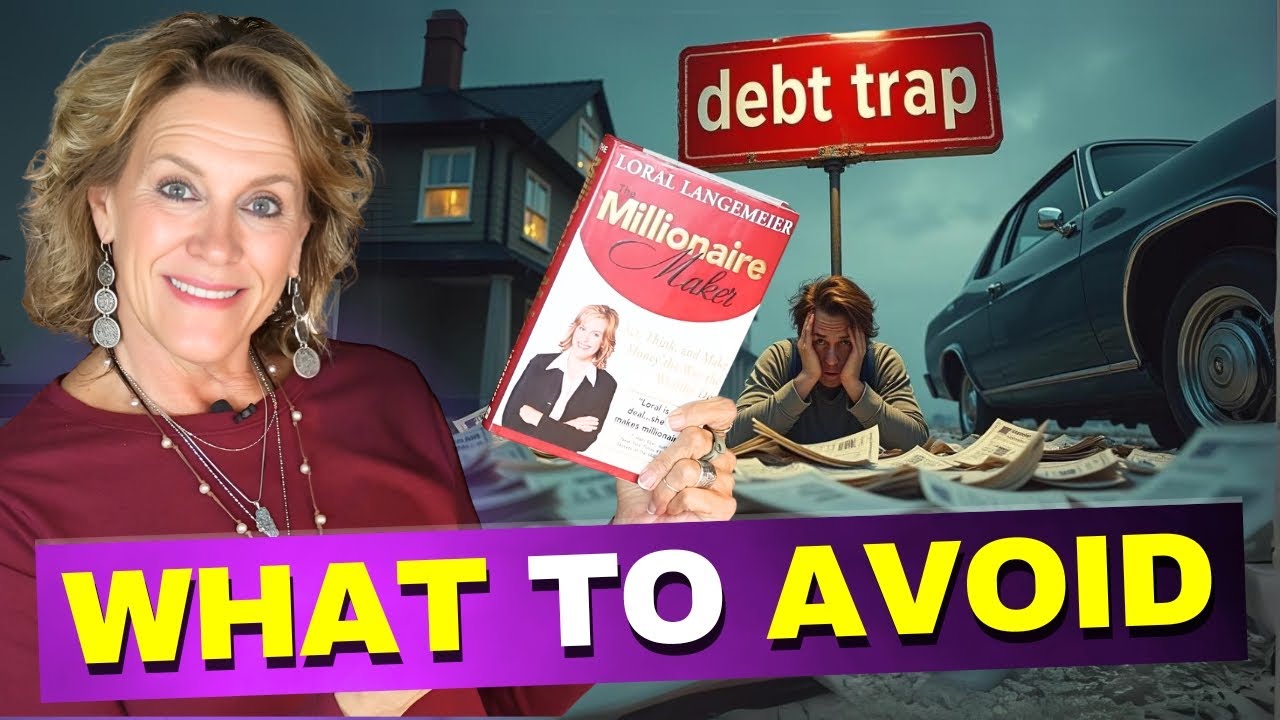
In The Millionaire Maker, I draw a hard line between good debt and bad debt. Good debt is leveraged against something that performs: a business, a mortgage on an appreciating asset, or an investment. Bad debt is money spent on things that are gone the moment you use them. Leave the good debt alone. Kill the bad debt with a real plan, not bankruptcy, not a debt consolidation program that quietly resets your payment schedule while your principal barely moves.
I would take out a hundred thousand dollars at 0 percent all day long if I knew I could make 12 percent on it. That’s not risk. That’s math.
If you’re already upside down, the answer isn’t a savings plan. It’s a Gap Analysis: know your baseline, know your Freedom Day number, then build the plan that closes the distance between where you are and where you want to be.
Debit Cards Are a Liability. Credit Cards Are a Tool.
Put your debit card away. When you use it, money is debited directly from your bank account with almost no protection. I’ve had clients accidentally submit a payment with an extra zero, $100,000 instead of $10,000, and the bank does nothing to fight for them because the money has already left the account.
Use big bank credit cards instead. American Express, Chase, Discover, Citibank. Keep them at 0 percent. If a charge is fraudulent or wrong, you have 30 days for the bank to fight on your behalf, and none of your own cash has moved.
This is where companies get the best tax strategies, and individuals get the worst. If you’re 18 or older and you don’t have a business entity yet, get one. Your company, not your personal bank account, should pay for your phone and car. That’s how you create deductions rather than give them away.
Start Today
- Pull your credit report and separate what’s actually bad debt (consumer spending on perishables) from what’s good debt (a mortgage, a business loan against a performing asset).
- Stop paying with your debit card. Move your daily spending to a credit card you pay off in full every month.
- If you’re 18 or older with no entity, start one this week. You need a company and an EIN before you can build the deductions and the corporate credit that let you use debt strategically.
- Run the numbers on one high-yield opportunity you could fund with 0 percent capital instead of cash sitting idle.
Focusing only on debt, without also building your income and your assets, is like dieting without exercise. You’ll spend a year getting to zero and have nothing to show for it but zero. Learn to make more money. That’s still the fastest way out of bad debt and the fastest way into good debt working for you.
I’ll meet you where you are and take you where you want to go. Go to AskLoral.com Ask a question, make a request.