Most wealthy people don’t have one investment. They have four categories working together, and most people I talk to only know about two of them.
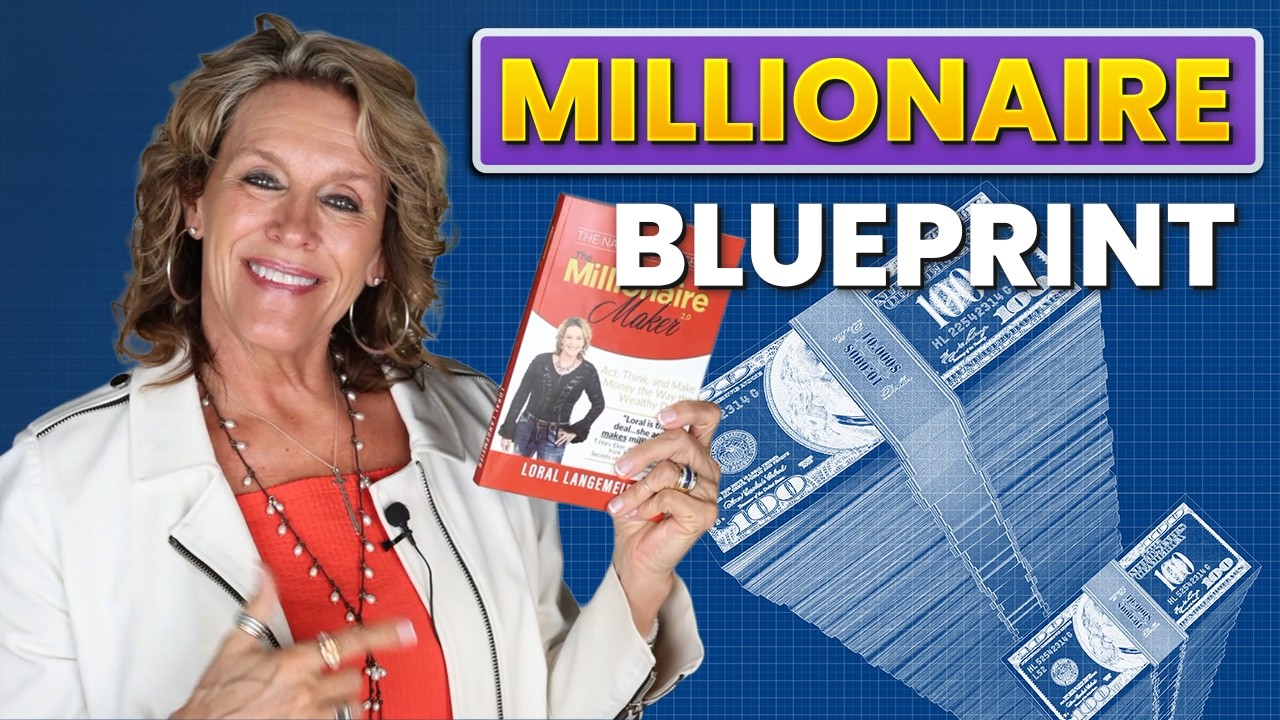
I wrote the Cash Machine book because the first category always gets skipped. People go looking for the next stock tip or the next real estate deal before they’ve built the thing that actually funds those deals. That’s backward.
Wealth cycle investing isn’t about picking one lane. It’s about sequencing four lanes correctly, at the right stage, with the right amount of money. Get the order wrong, and you’re not investing. You’re gambling with your cash flow.
Here’s the breakdown, and here’s the one mistake that wrecks the plan before people ever get far enough down the road to see it work.
The Four Categories Wealthy People Actually Invest In
Wealthy people build across four buckets: their own company, real estate, equities, and alternative assets like oil and gas, franchises, and private business equity. There’s rarely just one.
Your own company comes first. Without an operating business, you don’t get to activate the tax code. A job alone doesn’t do it. You can call your job a cash machine if you want. Still, without a business sitting next to it, you’re leaving deductions on the table that companies get and individuals don’t.
Real estate is second. Equities, especially dividend-paying stocks, come third. Right now, there’s real income sitting in gas, oil, land, and water stocks that most portfolios ignore completely.
The fourth bucket is where I personally spend the most time: alternative assets, including franchises, storage facilities, RV parks, mobile home parks, and heavy equipment rental. I own equity in businesses that are alive and on the street doing business, not tickers on a screen. I rarely go to the public market for these. I go straight to the company.
“Broke folks trade time for money. Six-figure earners build systems.”
Why Sequencing Beats Diversification
A lot of people hear “diversify” and think it means spreading thin money across everything at once. That’s not sequencing. That’s panic dressed up as strategy.
Sequencing means you build stage by stage. In the early stage, you’re just getting a business off the ground and putting away $1,000 or $5,000 a month. I have clients right now, further down the road, putting away $15,000 to $20,000 a month, because the business ramped up first and the investing followed.
You move from early-stage investor to mid-level investor to elite investor. Nobody skips straight to elite. And nobody does it alone. Wealthy people build teams: a lawyer who understands entities, an accountant who understands business rather than just filing your return, a specialist who knows the asset class, and access to capital and credit. That team is the difference between a good deal and a deal that traps you.
The Wealth Cycle vs. The Lifestyle Cycle
There are two patterns available to you. Make money and invest it, that’s a wealth cycle. Make money and spend it, that’s a lifestyle cycle. Most people are stuck in the second one and don’t realize it.
The lifestyle cycle sounds like this: “But I want that new car. I want to uplevel this part of my life.” It feels harmless in the moment. It’s the reason the wealth cycle never gets moving.
I tell parents to get their kids into the wealth cycle early. It doesn’t matter if it’s $100 a month. The pattern is what matters, not the size of the check. Once the pattern is set, the amount grows on its own.
The Rule of 72, Condensed
Most people accept that their money doubles every seven years and call that good enough. It’s not good enough. With a well-laid-out wealth cycle plan, the timeline compresses to three to five years.
That compression doesn’t come from a hot stock pick. It comes from stacking active income, a business, direct investment in real assets, and a team that keeps you out of bad deals. Park-and-pray investing, where you hand money to an advisor and hope, will never get you there.
The One Mistake That Destroys the Plan
The mistake I see most often, and it shocks me every time, is investing before your cash flow is stable. People start small crypto positions or buy gold and silver before their business income is dependable.
I’ve watched people in real estate put a contract on a project without enough contingencies, convinced that the money is coming. Then the cash flow stops for whatever reason, the deal can’t close, and no investor is standing behind them. Now they’re straddled with an obligation and no way out.
Stabilize your cash flow first. Stabilize your corporate structure first. Don’t operate as a sole proprietor. Activate the entity before you activate the investment.
Start Today
- Name your current stage – Are you an early, mid-level, or elite investor? Be honest about the number, not the ego.
- Check your corporate structure – If you’re a sole proprietor, that’s step one, before any new investment.
- Stabilize your cash flow – No new positions in equities, alternatives, or real estate until income is dependable and predictable.
- Build your team – One lawyer, one accountant who understands business, one specialist in the asset class you’re eyeing.
- Start the pattern – even small $100-a-month investments consistently beat $10,000 invested once and abandoned.
The Close
Most of you have scattered entities, no compliance, and a tax person who files instead of strategizes. That’s not a wealth plan. That’s paperwork waiting to cost you money.
Go to AskLoral.com Ask a question, make a request.