
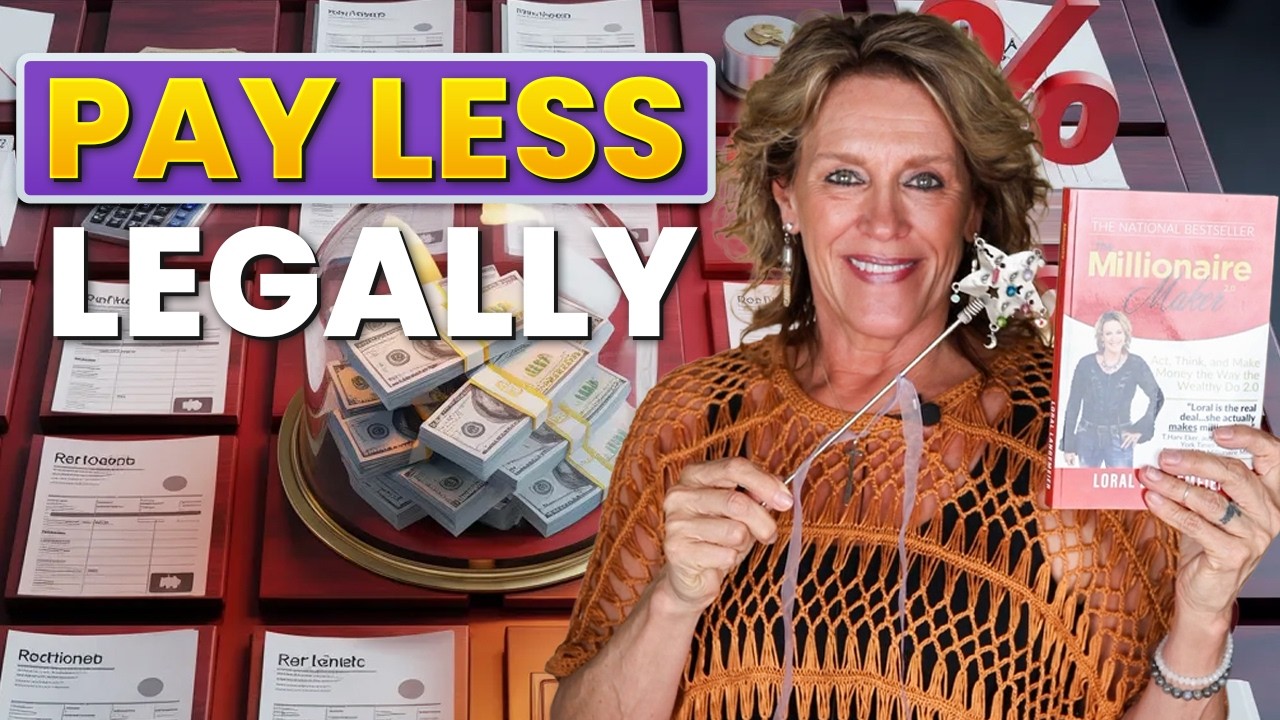
Most of you have an invisible pain. It’s called paying the IRS whatever you owe at the end of the year, instead of being strategic throughout the year.
That’s a choice. Doing nothing is a choice. Leaning in and getting it done right is also a choice.
If you want to know how to reduce tax liability, the answer doesn’t live in a magic deduction or a year-end scramble. It lives in the corporate structure, and most people never touch it.
Why Companies Get the Best Tax Strategies, and Individuals Get the Worst
America has somewhere between 81,000 and 83,000 pages of tax code. No other country comes close. That code gives you choices: LLCs, limited partnerships, S corps, and C corps. Each one is a different bucket, and each bucket has its own rules for what you can deduct.
Here’s the truth nobody wants to say out loud. Companies get the best tax strategies. Individuals get the worst.
If you’re a sole proprietor trying to take deductions you can’t legally take because you won’t jump into a corporate structure, you’re the one most likely to get audited. Your behavior puts you on the radar, not some random IRS lottery.
“Companies get the best tax strategies. Individuals get the worst.”
Why W-2 Employees Are Stuck in the Worst Tax Structure
If you’re an employee, you’re in the worst possible position. You make money, taxes get pulled out of your paycheck immediately, and then you spend the rest of the year hoping you get some of it back.
When that refund shows up in January, you think you won. You didn’t win. You loaned the government your money for free, and now you’re getting it back with nothing to show for it.
I make $42,000 as a W-2 employee of one of my own companies. I don’t make a lot of money. My companies make the money. That’s the structure that activates the tax code.
This is what I call living corporate life. As many of your personal expenses as legally possible move into business deductions. Not invented deductions. Real ones, done right, through a real tax strategist.
Most CPAs Are Historians, Not Strategists
Most CPAs are historians. They record what you did all year, and then you can’t change it.
That’s backward. A real tax strategy means you meet quarterly and ask: how much are you going to make this quarter, and the next, and the one after that? Then you plan deductions and investments around that number before the year ends, not after.
I call it the tax trifecta. It’s not about reacting to last year. It’s about forecasting the next one.
“Most CPAs are historians. They record what you did. They don’t forecast what you should do.”
In The Millionaire Maker, I teach Gap Analysis: where you are right now, where you want to be, and the plan that closes that gap. Tax strategy works the same way. You can’t plan what you won’t measure.
Start Today
You don’t need a huge, elaborate company to start. Dog walking. Food prep. Videography. Photography. Things you’re already doing as hobbies can become a business, and a business is what activates the tax code.
This week:
- Get a real picture of how much you’ll make this quarter and next.
- Identify one hobby or skill that could become a registered business.
- Stop paying business expenses from your personal account once the entity exists.
- Find a tax strategist who forecasts with you quarterly, not someone who just files in April.
Want help mapping this out? Get your ticket to the Millionaire Intensive
The Close
You can get your tax liability down to a precise, low number if you’re strategic and willing to do the work. Less than 10% is possible. It takes the right structure, the right team, and the right sequencing.
Go to AskLoral.com Ask a question, make a request.
Click here to watch the YouTube video.