Entrepreneurship success stories often sound polished in hindsight. Still, the real lessons emerge after the exit, when the business is sold, the money lands in your account, and the decisions that really matter begin.
That is precisely where Greg Arnell’s story becomes especially relevant.
Greg shared how he went from making soap in his apartment in Portland, Oregon, to building and selling a $6 million-a-year manufacturing company. The fundamental insight was not just about business growth. It was about what financial freedom actually means for entrepreneurs and why so many high-earning founders still feel stuck after they “win.”
For LinkedIn professionals, founders, and high-income earners navigating wealth, ownership, and control, Greg’s experience offers timely and actionable lessons.
The Entrepreneurial Arc: Starting Small, Thinking Big
Thirty years ago, Greg was not chasing venture capital or building a flashy brand. He was making soap in his apartment.
Over time, that modest operation scaled into:
- 35 employees
- 20,000 square feet of manufacturing space
- $6 million in annual revenue
This growth did not happen overnight, and it did not come from shortcuts. It came from persistence, operational discipline, and long-term thinking.
Like many founders, Greg spent decades focused on building the business rather than preparing for what would come after it. That distinction matters more than most entrepreneurs realize until they are standing on the other side of an exit.
The Post-Exit Problem No One Talks About
When Greg sold his company a few years ago, he and his wife entered unfamiliar territory. Suddenly, the question was no longer how to grow revenue or manage employees.
It became a much bigger question. Who do we trust with the future we just built?
They spoke with multiple financial advisors. What they found will sound familiar to many high-income professionals:
- Conversations felt sales-driven rather than strategy-driven
- Advisors seemed more interested in products than outcomes
- Very few showed genuine interest in helping Greg manage his own money
This highlights a growing disconnect in the financial services industry.
Entrepreneurs are builders, operators, and decision-makers. Traditional financial models often assume clients want to hand over control rather than build understanding. For Greg, that misalignment was a deal-breaker.
Alignment Matters More Than Credentials
The turning point came when Greg first came across my work online.
What stood out was not flashy marketing or promises of quick returns. It was a philosophical alignment.
- Entrepreneurs teaching entrepreneurs
- Financial strategies built around ownership and control
- A focus on education instead of dependency
Greg and his wife read several of my books and quickly recognized something important:
“These are people like us. They’re entrepreneurs who want to be in charge of their future.”
That alignment prompted Greg and his wife to join the Big Table, seeking a community where they could actively participate in shaping their financial future.
How Greg Gained Immediate Value From Smart Structuring
One of the most potent moments in Greg’s story is how quickly clarity can show up when the right questions are asked.
Within the first few minutes of our conversation, I helped Greg see how reviving his existing corporation could support his future ventures rather than starting from scratch.
That insight mattered because the corporation already had:
- A proven track record
- Established credibility
- A strong credit profile
Instead of discarding it after selling his company, Greg could leverage what he had already built, both operationally and financially.
This is a lesson many entrepreneurs miss.
Past success is not just a story. It is an asset when properly structured.
Redefining Financial Freedom
When asked what financial freedom means, Greg did not talk about luxury cars, early retirement, or buzzwords about passive income.
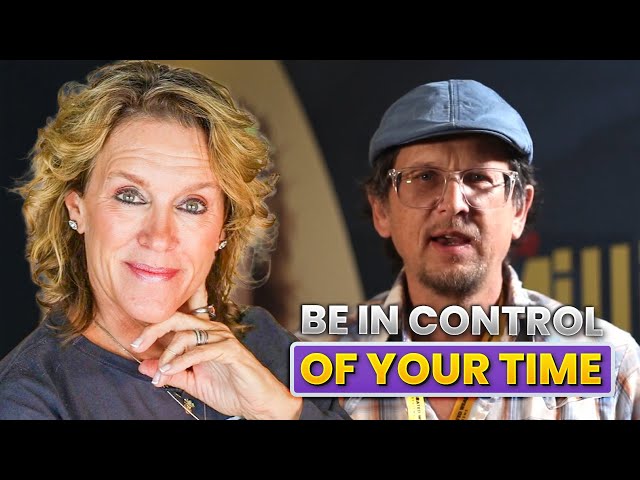
He defined financial freedom simply as having control over your time and the ability to make intentional choices each day.
In Greg’s view, financial freedom means the ability to:
- Decide how your days are spent
- Direct your energy intentionally
- Be self-directed rather than controlled by outside forces
He added one qualifier that grounded the idea in reality. Other than your spouse.
True freedom is not isolation. It is an agency that aligns with your values, relationships, and long-term goals.
What Greg’s Journey Teaches Modern Entrepreneurs
Greg’s journey reflects a broader shift happening among entrepreneurs and professionals.
- High income no longer guarantees peace of mind
- Traditional financial advice feels outdated for modern founders
- Control, education, and community are becoming non-negotiable
Today’s entrepreneurs want to understand their money, not just receive statements. They want systems that support future ventures and keep them engaged and empowered.
Communities like the Big Table exist because financial strategy should be treated as a skillset, not a black box.
Key Takeaways for Entrepreneurs and High Earners
Greg’s story offers several lessons worth reflecting on:
- Wealth without control is not freedom
- Alignment matters more than titles or credentials
- Existing structures are often more valuable than people realize
- Education compounds just like capital
- Community accelerates clarity and confidence
These insights apply whether you are a founder, executive, or high-earning professional navigating your next chapter.
Taking Action on Financial Freedom
Greg Arnell’s journey shows that financial freedom is not just about income or business success. It is about control, alignment, and intentional decision-making. The systems you build, the structures you maintain, and the communities you engage with all play a critical role in shaping your financial future.
For entrepreneurs and high-income professionals, the takeaway is clear: leverage what you have, stay engaged in your financial decisions, and seek alignment with advisors who understand your goals and mindset. True freedom comes when you are both empowered and educated, able to direct your time and resources toward the life you want to lead.
I invite you to reflect on your own journey: Where do you have control over your financial future, and where could you take more ownership? What small steps today could compound into lasting financial freedom?